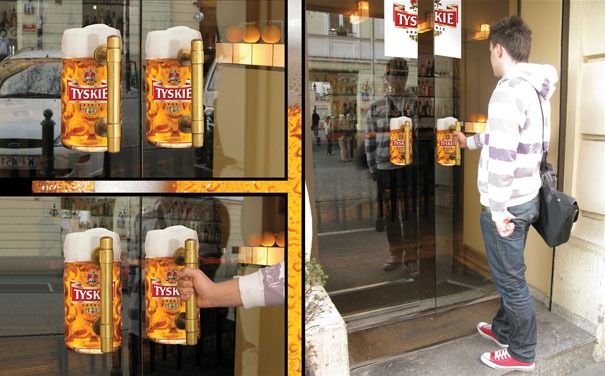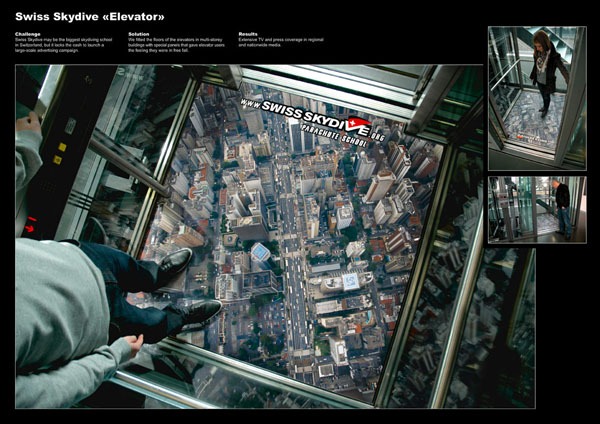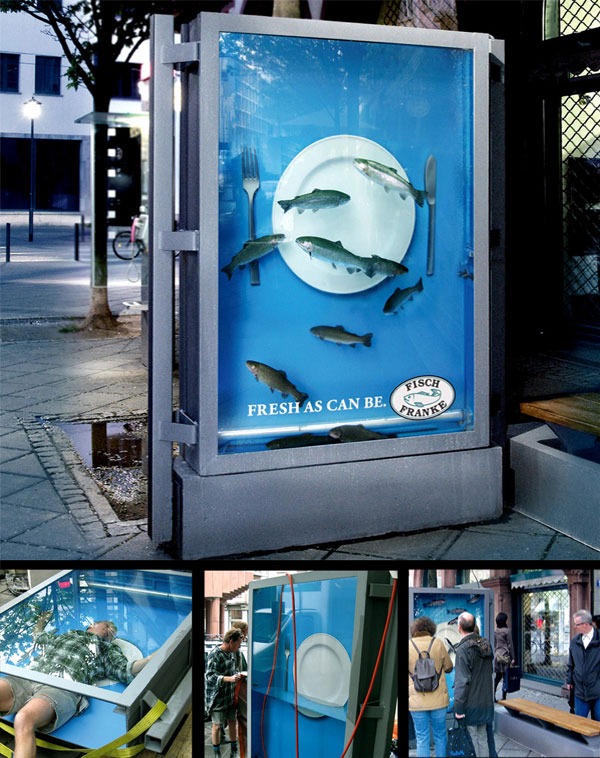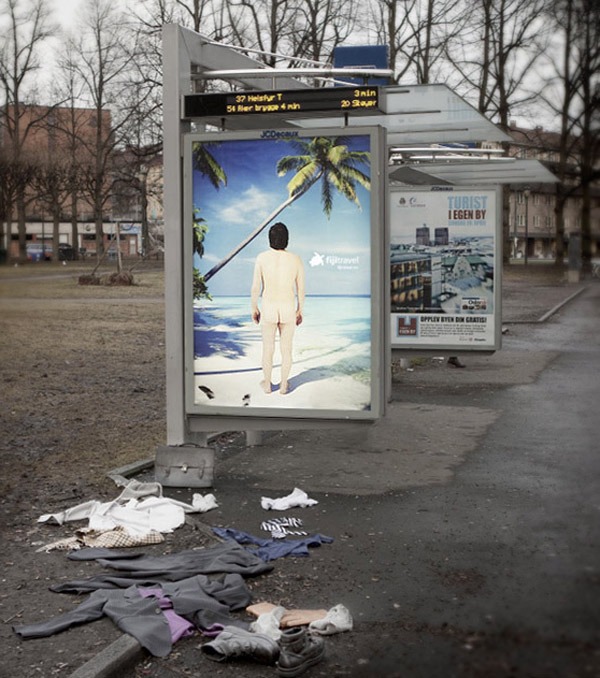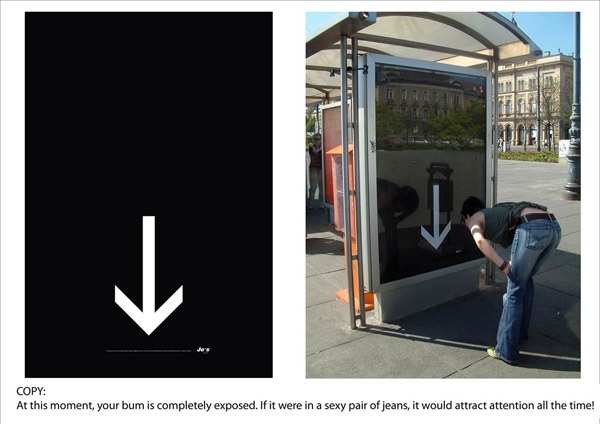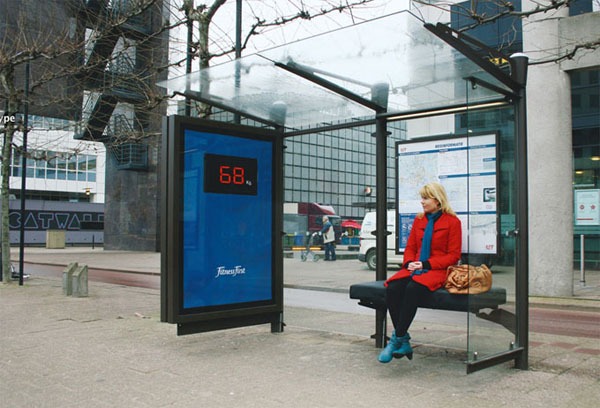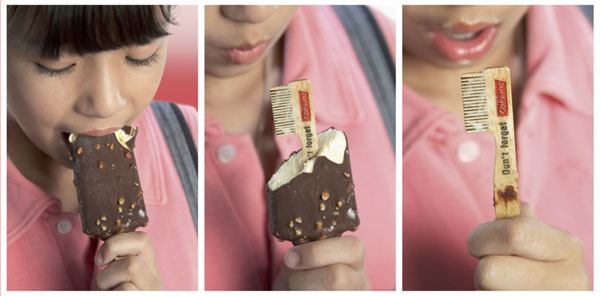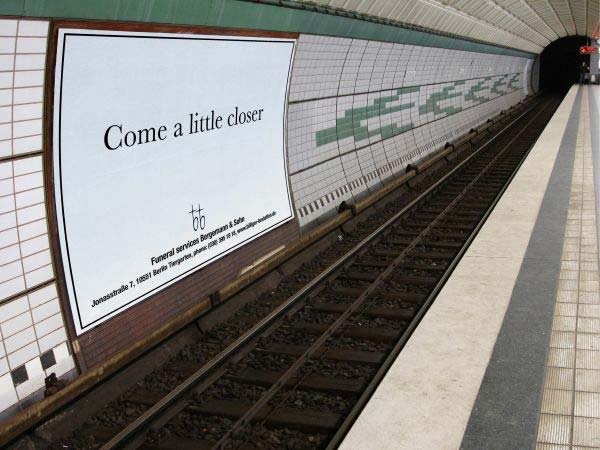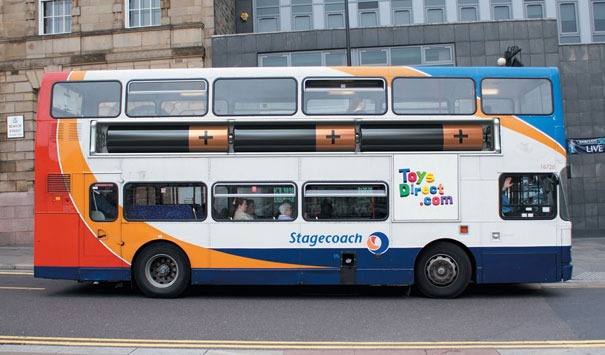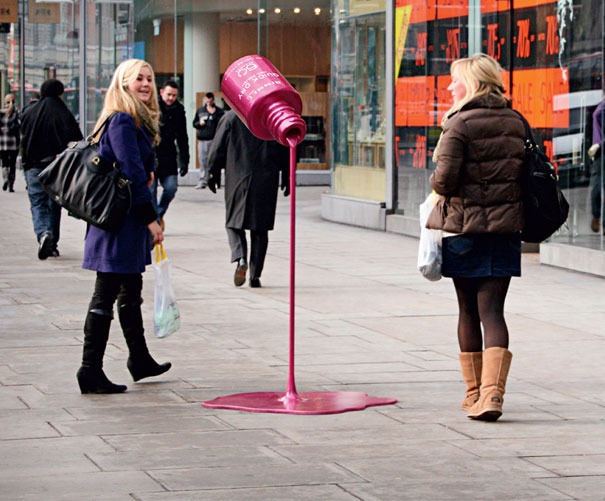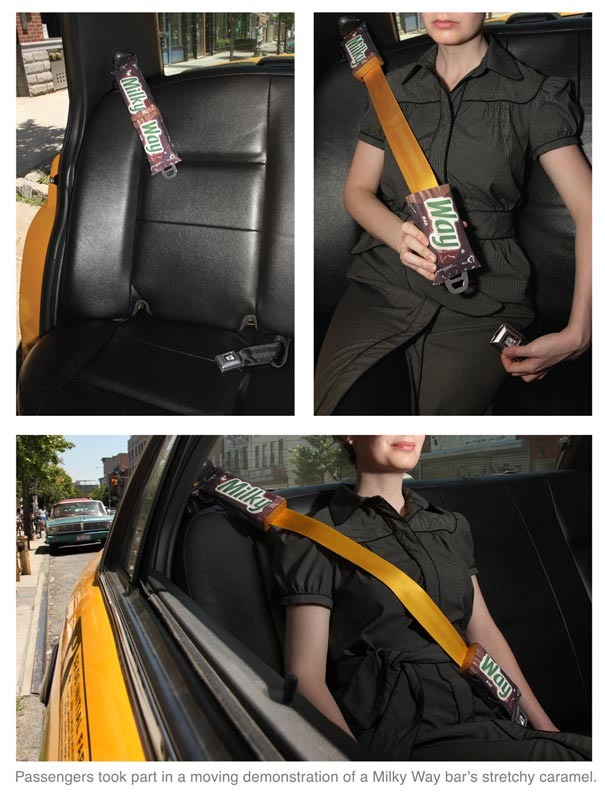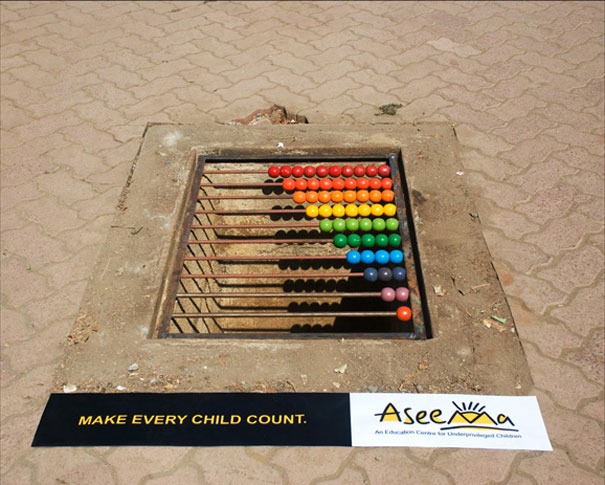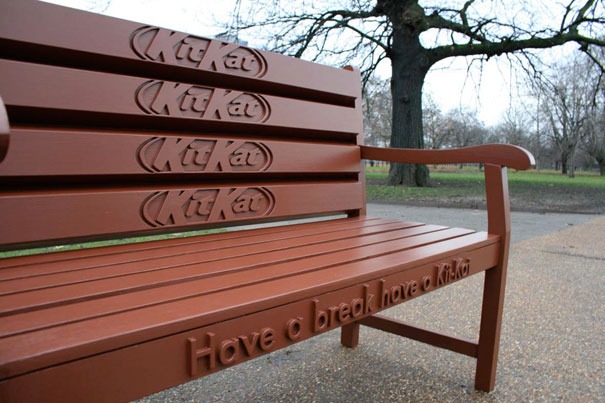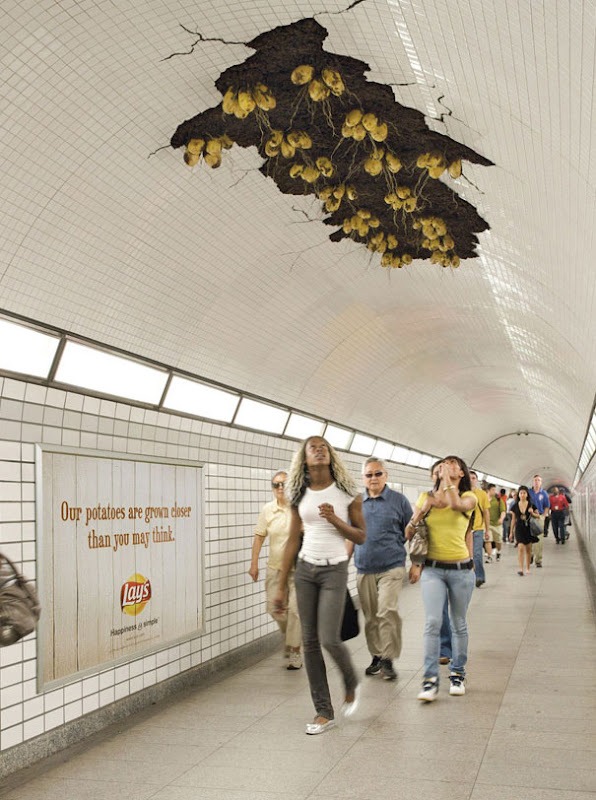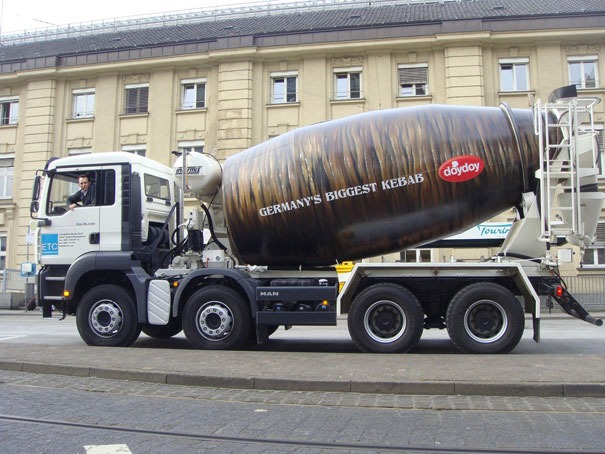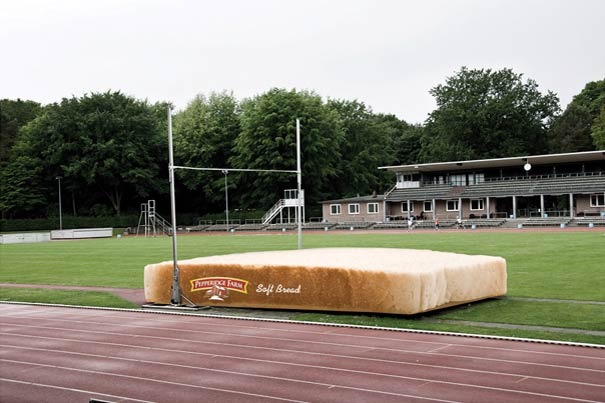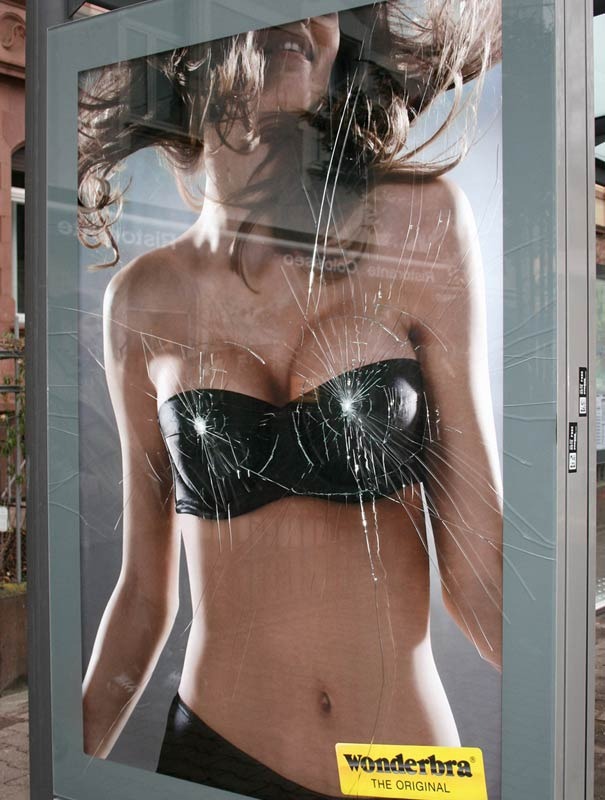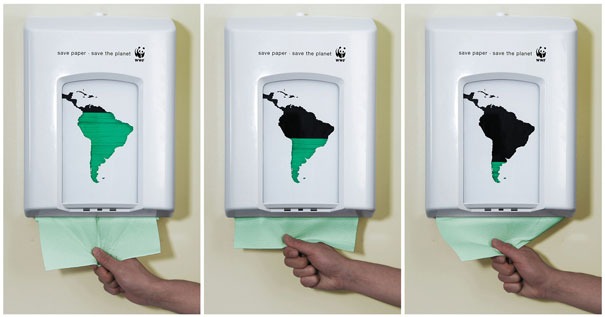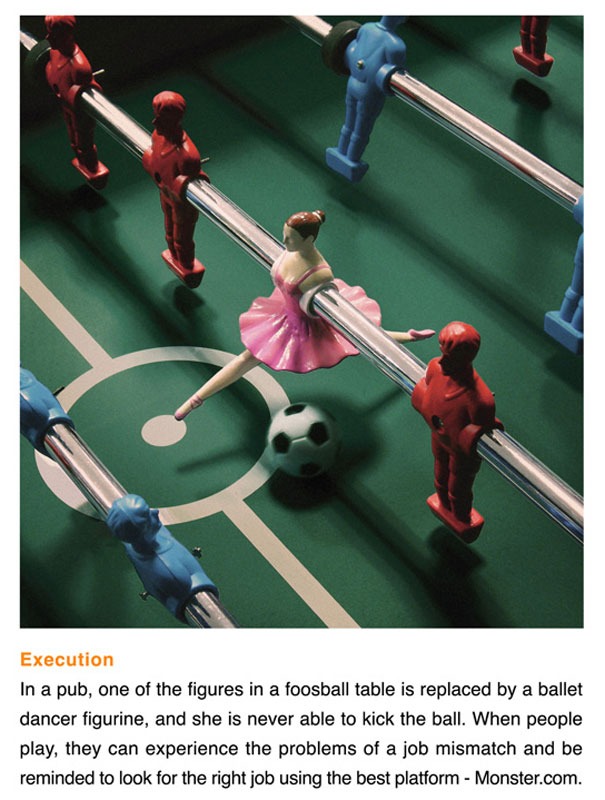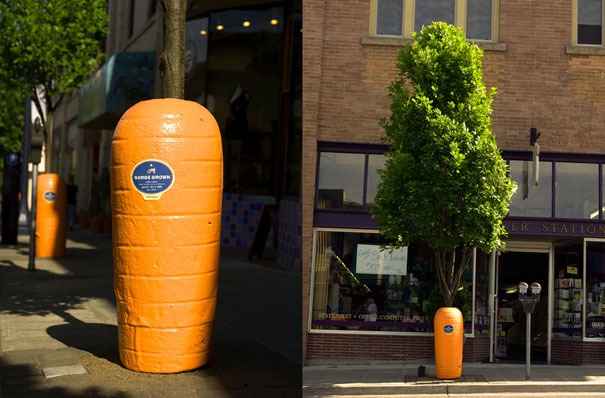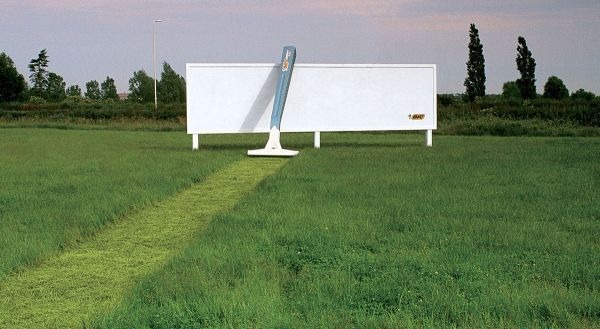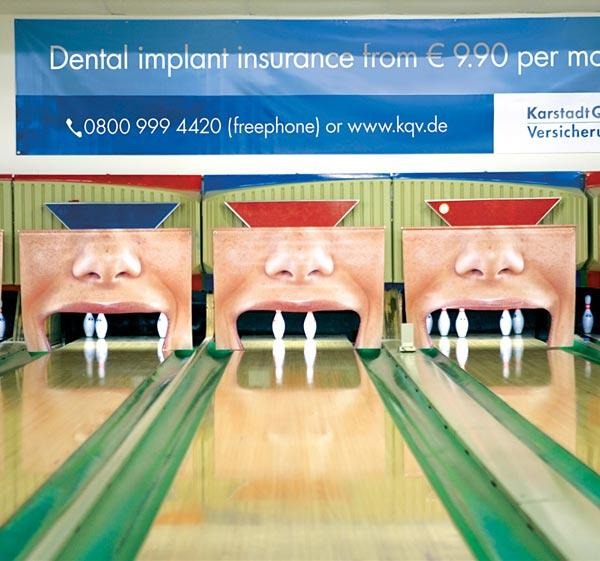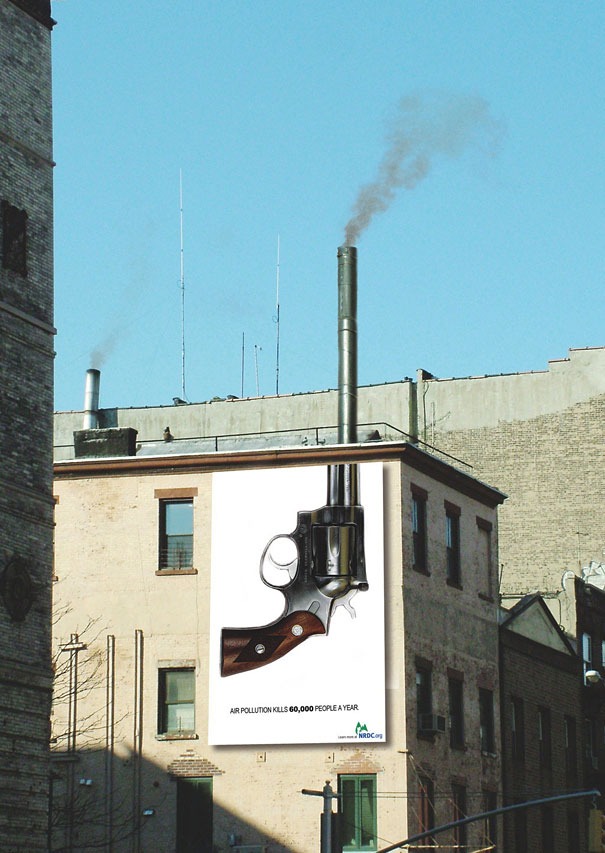


Traditional advertising filled commercial television breaks and cluttered highways for decades, but marketers soon realized consumers simply tuned out static billboards. By the late twentieth century, creative agencies began experimenting with physical spaces. They placed promotional messages directly into everyday urban environments to catch unsuspecting pedestrians completely off guard. Early campaigns relied on clever physical placement in dense city centers. In metropolitan areas like New York, Frankfurt, and Tokyo, public infrastructure transformed into marketing canvases. Agencies turned park benches into chocolate bars, elevator doors into skydiving drops, and subway poles into sharp razor blades. Instead of forcing viewers to look at a flat paper sign, ambient advertising merged commercial products directly with the physical world. A popular European beer brand placed large handle stickers on subway door poles, turning every commuting passenger into a person lifting a frothy mug.
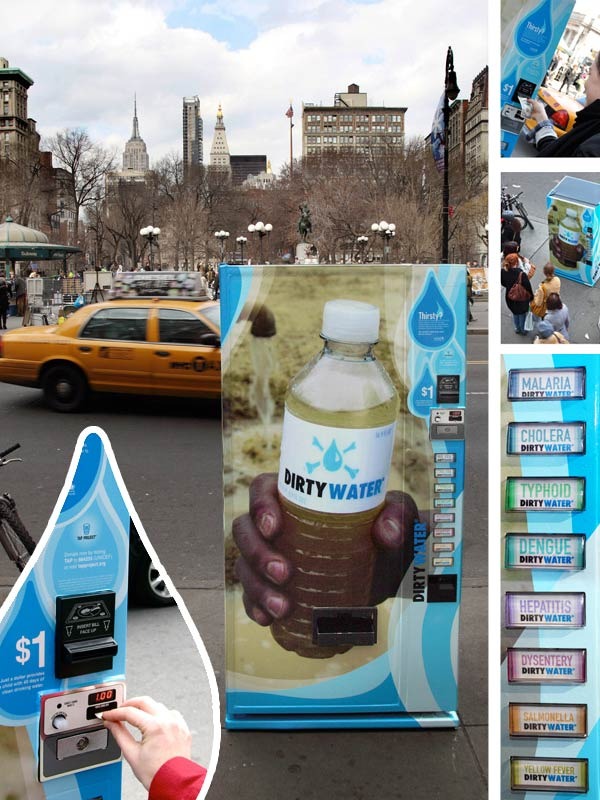
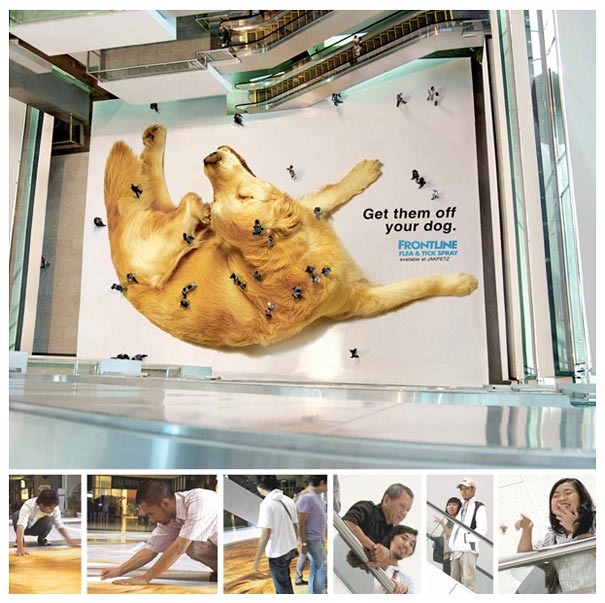
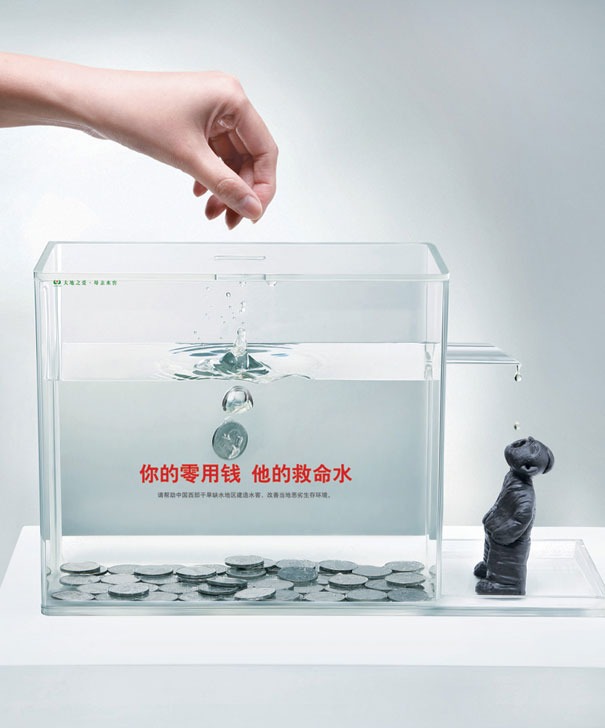
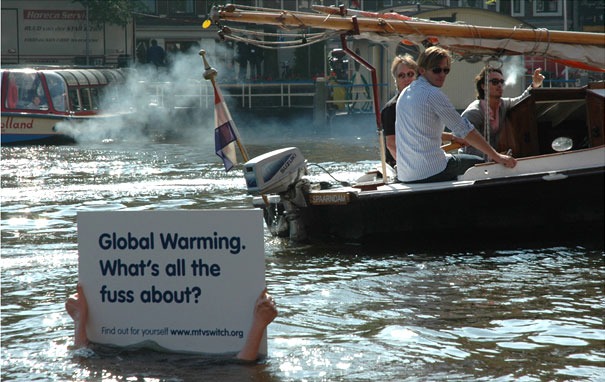
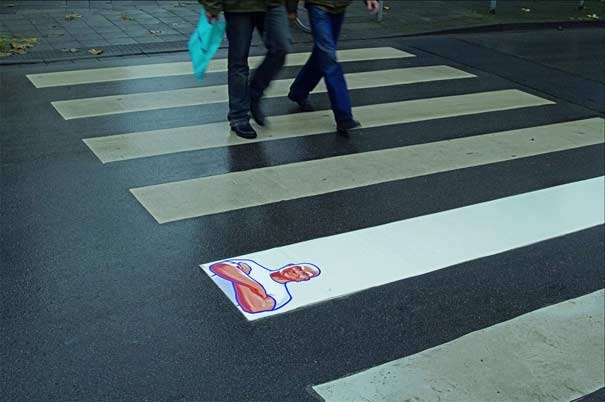
Non-profit organizations and activist groups quickly adopted these guerrilla tactics for serious social causes. In Manhattan, advertising teams placed a transparent vending machine filled with eight lethal varieties of dirty water, priced at one dollar per bottle. The project highlighted the millions of people worldwide who lack access to clean drinking water and suffer from water-borne diseases. Public health groups also used crosswalks painted like giant cleaning fluid strokes or floor footprints to capture attention on busy streets. Designers wanted consumers to stop and think about environmental issues, animal welfare, and global poverty through physical shock value. A famous animal welfare campaign featured giant flea stickers on the bottom floor of a shopping mall, so people walking on the upper balconies looked like tiny parasites crawling on a golden retriever.